Pages

Thursday, 31 October 2013

Charlwood Design and Monash University China


The Mittstrom Mid-Stream Urine Collection device and the 321 water bottle, both designed by Charlwood Design, were exhibited as part of the opening ceremony events at the Southeast University - Monash University Joint Graduate School (Suzhou) opening in China this week.

The Mittstrom Mid-Stream Urine Collection device has recently won the BASF Plastics Innovation Award and the Melbourne and Sydney Design Awards, as well as being a finalist in the Victorian Premier's Design Awards 2103. The 321 water bottle was also included in the Suzhou H20 exhibition for World Industrial Design Day 2013.

The exhibition at the new Monash campus in China showcased Australian innovation and industrial design expertise in medical and scientific device design.


Wednesday, 18 September 2013

Plastics Innovation Award 2013


The Charlwood Design team was delighted to win the BASF Plastics Innovation Award for the Mittstrom Urine Test Device on 18th September, at the PlastixANZ Plastics Industry Awards 2013.

Mittstrom is an innovative device for the hygienic collection of midstream urine for analysis. It is a low-cost, fully biodegradable corn-starch saddle into which a standard pathology collection jar is placed. Initial urine is diverted from the jar by a thin membrane which dissolves over 3 seconds allowing the midstream urine to flow into the collection vial. Once finished the user simply removes the filled jar and flushes the device down the toilet. This innovative product has been granted patents internationally. Charlwood Design created the simple solution to the problem, using the unique (Plantic) material and tested it for performance.

Paul Charlwood said "this really shows how design can create a new business opportunity through innovative application of materials and insight to the end user’s needs."

Monday, 5 August 2013

Uppercup - Charlwood design client launches Crowdfunding campaign


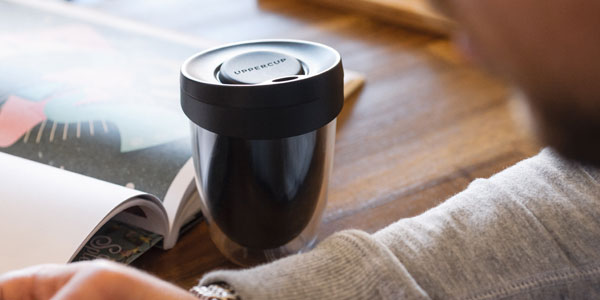
'Uppercup' - a sustainable, reusable takeaway coffee cup designed by Charlwood Design has just been launched on the crowdfunding site pozible.
The unique, double wall tumbler is made of Tritan plastic and is ultrasonically welded. The result is a BPA free design that not only insulates the cup but also doesn’t absorb odours and flavours and is fully recyclable. The sturdy plastic construction ensures it is not fragile like ceramic or glass.

The unique rotating lid can be turned to reveal a tilt-up spout and then resealed flat to prevent splashes. The PP and LDPE parts separate for easy cleaning and recycling at the end of life.

Designed and manufactured in Melbourne Australia the cup is available in white/black in two sizes - 8oz and 12oz. The campaign ends on 19th September 2013 so get your pledges in to be the first to receive one.

www.pozible.com/uppercup

www.uppercup.com.au

Thursday, 21 March 2013

Ideas that could change your life - Charlwood Design's concept for a better future for Melbourne


Charlwood Design's Director, Paul Charlwood was recently featured in an article in The Age Melbourne Magazine showcasing innovative design research for the future of Melbourne.

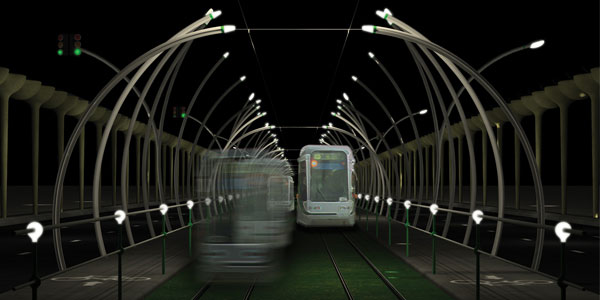
What is it? Commonwealth Avenue - a conceptual design for Kings Way that would create a shared transport route for trams, cars, bikes and pedestrians and incorporate water and solar energy collection.
Who's doing it? Charlwood Design - who created the 2006 Melbourne Commonwealth Games Queen's baton - came up with the concept as an internal exercise to try and add beauty and function to a major traffic feeder into the city. The team wanted to bring different modes of transport - bicycles, cars, trams and pedestrians - together in a sustainable way. "It's a reflection of Dandenong Road and the avenue down there," says Paul Charlwood. "I always loved the old overhead tram poles that are Victorian structures in their own right." The joint carriageway would be better than Copenhagen-style lanes "that are an afterthought", he says. "Kings Way is crying out for something to be done and this could be a great example - making a feature out of the overhead tram poles so they are more elegant and then the water and solar collection are the sustainability side. They could feed down to street plantings or parks nearby."
Could it work? With government backing, Charlwood believes construction could start within a couple of years. "It's already starting to look more logical and contemporary. As we start to swing out of the GFC," he says, "sustainability issues will come back onto the agenda."